

By Peter Legacy & Victor Oliseloke | NOL24 TV Political Analysis (NOL24 MEDIA CATHEDRAL) 
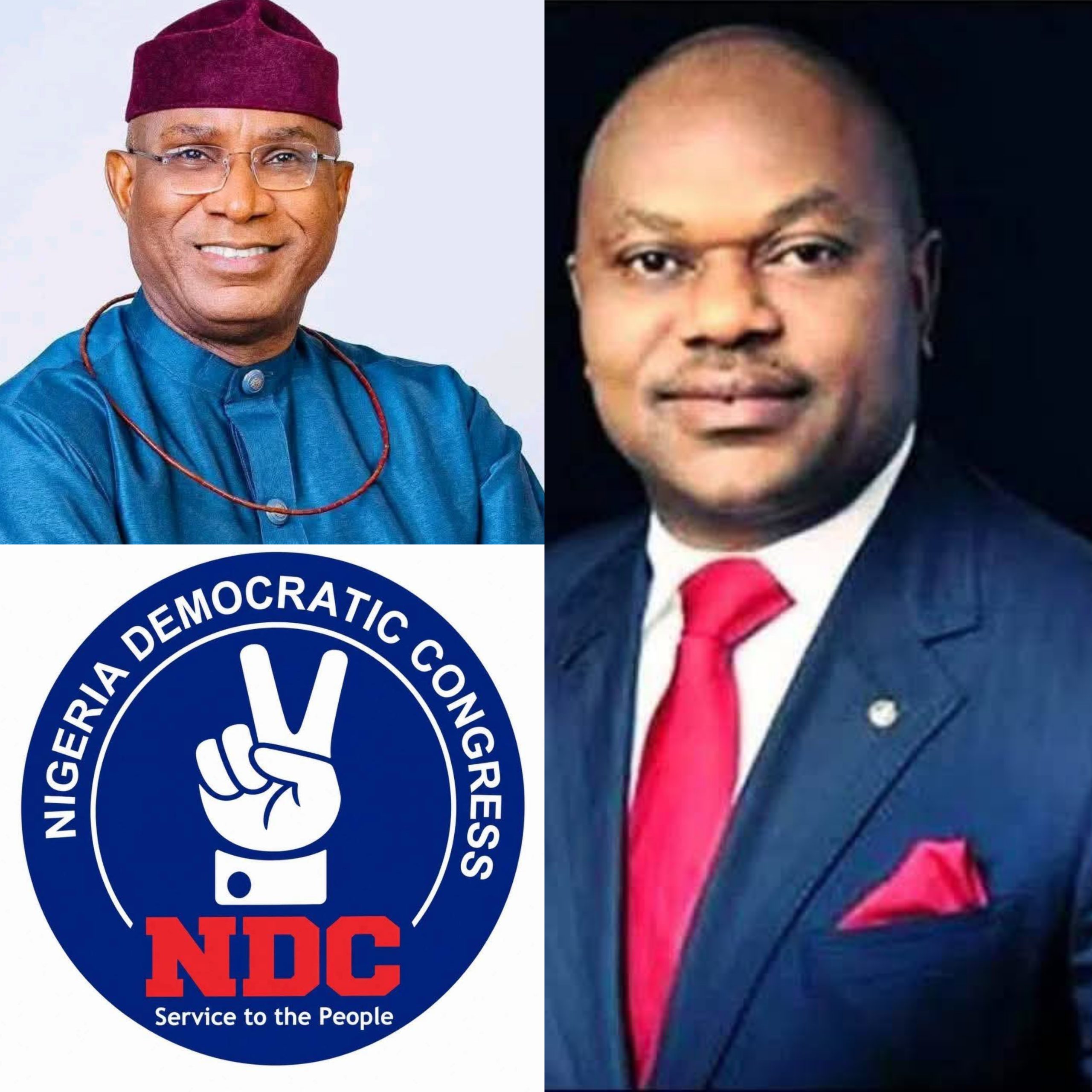
The political landscape of Delta State may be witnessing one of its most significant realignments since the return of democratic governance in Nigeria, following the dramatic defection of former Deputy Senate President, Ovie Omo-Agege, and former Speaker of the Delta State House of Assembly, Victor Ochei, from the All Progressives Congress (APC) to the Nigeria Democratic Congress (NDC).

The development, which has generated intense political debate across Delta State and beyond, has fueled speculation that the APC may be facing its biggest internal challenge ahead of the 2027 general elections.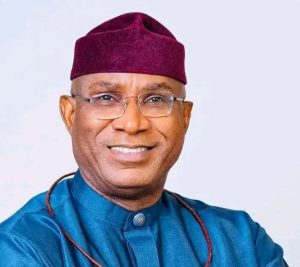
For years, Omo-Agege has been regarded as the undisputed face of the APC in Delta State. His emergence as Deputy Senate President between 2019 and 2023 elevated the party’s visibility in a state traditionally dominated by the Peoples Democratic Party (PDP). His political structure cuts across the three senatorial districts and has remained one of the strongest opposition networks in the South-South region.
Victor Ochei, on the other hand, remains one of the most influential political figures in Delta North. As a former Speaker and grassroots mobilizer, Ochei commands considerable loyalty among political stakeholders, youth groups, and local leaders across Anioma communities. His departure from the APC has been interpreted by observers as a major blow to the party’s Delta North calculations.
Their simultaneous movement into the NDC has created what many political analysts describe as a potential “third-force revolution” capable of altering existing power equations in Delta State. Within hours of their arrival, the NDC leadership granted both politicians waivers to contest senatorial seats in 2027, signaling the party’s intention to immediately integrate them into its strategic plans.
The critical question now dominating political conversations is whether these defections represent isolated personal ambitions or the beginning of a broader exodus from the APC.
Several indicators suggest that the implications could be far-reaching.
First, Omo-Agege’s influence within Delta APC extends beyond his personal political career. Over the years, he cultivated a network of lawmakers, former appointees, party executives, local government leaders, and grassroots coordinators. Should a significant portion of that structure migrate alongside him, the APC could find itself weakened in key battleground areas, particularly within Delta Central, the party’s traditional stronghold.

Second, Ochei’s departure introduces fresh uncertainty into Delta North politics. The former Speaker remains a respected figure among many APC loyalists in the region, and his movement could trigger a chain reaction among political associates who may be reassessing their future within the party.
Yet, despite growing concerns, APC leaders have publicly dismissed suggestions that the party is in crisis. Party officials insist that the exits of Omo-Agege and Ochei will not diminish the APC’s strength in Delta State, arguing that the party remains united and committed to its political objectives under its current leadership.
Political analysts, however, note that elections are often determined not merely by party platforms but by the movement of influential political structures. In Delta State, where loyalty networks and grassroots mobilization remain crucial electoral assets, the significance of Omo-Agege and Ochei’s departure may only become fully evident in the months leading to the 2027 campaigns and elections .
The NDC, for its part, appears eager to capitalize on the momentum. Party leaders have described both men as experienced politicians with substantial grassroots support capable of strengthening the party’s electoral prospects across Delta State.
Beyond the immediate political calculations, the defections highlight a broader trend emerging across Nigeria ahead of 2027: the growing willingness of influential politicians to abandon established platforms in search of new alliances and alternative political vehicles.
Whether Omo-Agege and Ochei are truly about to dismantle the Delta APC remains uncertain. What is clear, however, is that their departure has already altered the political conversation in the state.
For now, the APC faces the challenge of proving that its strength transcends individual personalities. The NDC, meanwhile, has secured two of Delta’s most recognizable political figures and is betting that their arrival could transform the party from an emerging platform into a formidable electoral force.
As the countdown to 2027 begins, Delta State may once again become one of Nigeria’s most closely watched political battlegrounds.
This report is drawing impetus from recent developments surrounding the defections and NDC waivers granted to both politicians.

